
Which Provisions to Find First
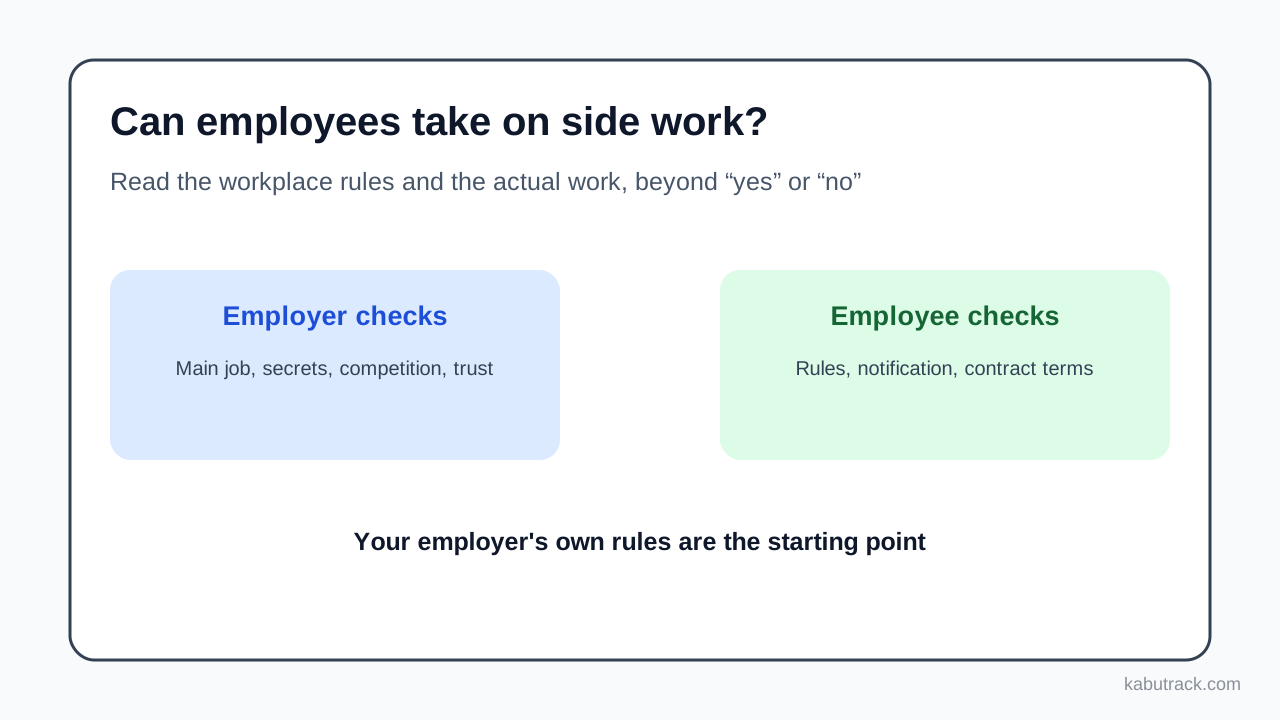
Before starting side work, look through your employer's work rules for provisions on “side jobs and multiple jobs,” employee conduct, confidentiality, and competition.
Companies use different terms, including notification, permission, and prior approval. Even if the rules say “prohibited,” check whether exceptions or an application process follow.
When Can an Employer Restrict Side Work?
The ministry's model work rules contain an example provision under which employees may work for another company or organization outside their regular working hours.
They also list common grounds for considering a prohibition or restriction: interference with the main job, disclosure of trade secrets, harm to the employer's interests through competition, and conduct that damages its reputation, standing, or relationship of trust with the employee.
The model work rules are not a single set of company rules that applies nationwide. The rules and employment contract of your own employer are what apply in practice.
What Goes on a Notification Form?
The ministry's sample notification form shows the information an employer may check:
- The side-work organization's name and the nature of the work
- Whether the arrangement is employment or contract work
- Working days and hours
- Whether the work competes with the main job
- Whether confidential information might be handled
Where the side job is employment, information about hours matters more because the employer may need to manage total working time. For a sole proprietorship or contract work, competition and confidentiality carry more weight.
Competition and Confidentiality Are Different Issues
A non-compete concern is whether involvement in a business that competes with your main employer harms its interests.
Confidentiality concerns whether customer data, technical information, prices, sales materials, or other information is taken outside the company.
You can breach confidentiality by using internal materials for side work even without working for a competitor. Conversely, significant involvement in developing a competing service may raise a competition issue even if you take no confidential information.
“I Just Won't Tell My Employer” Creates Another Risk
If your employer requires notification and you skip the process, you may breach its work rules or damage trust, independently of the side work itself.
Even if the work poses no problem, failing to make a required notification remains an issue under the rules. If anything is unclear, check the side-work policy with human resources or labor relations staff.
Conclusion
Do not stop at the word “prohibited” in the work rules; look at the notification form too. If you organize the work's scope, hours, and competitive relationship before filing, you will be better prepared to answer questions from human resources.
Related Articles
- Part 1: What do the guidelines on side jobs and multiple jobs say?
- Part 3: Are side-work hours combined with hours at your main job?
- Part 4: How can an employee start a side business?